Elena Washington · 22 October 2026
Revolutionizing Species Observation Logs for Biologists Conducting Multi-Year Amazon Surveys
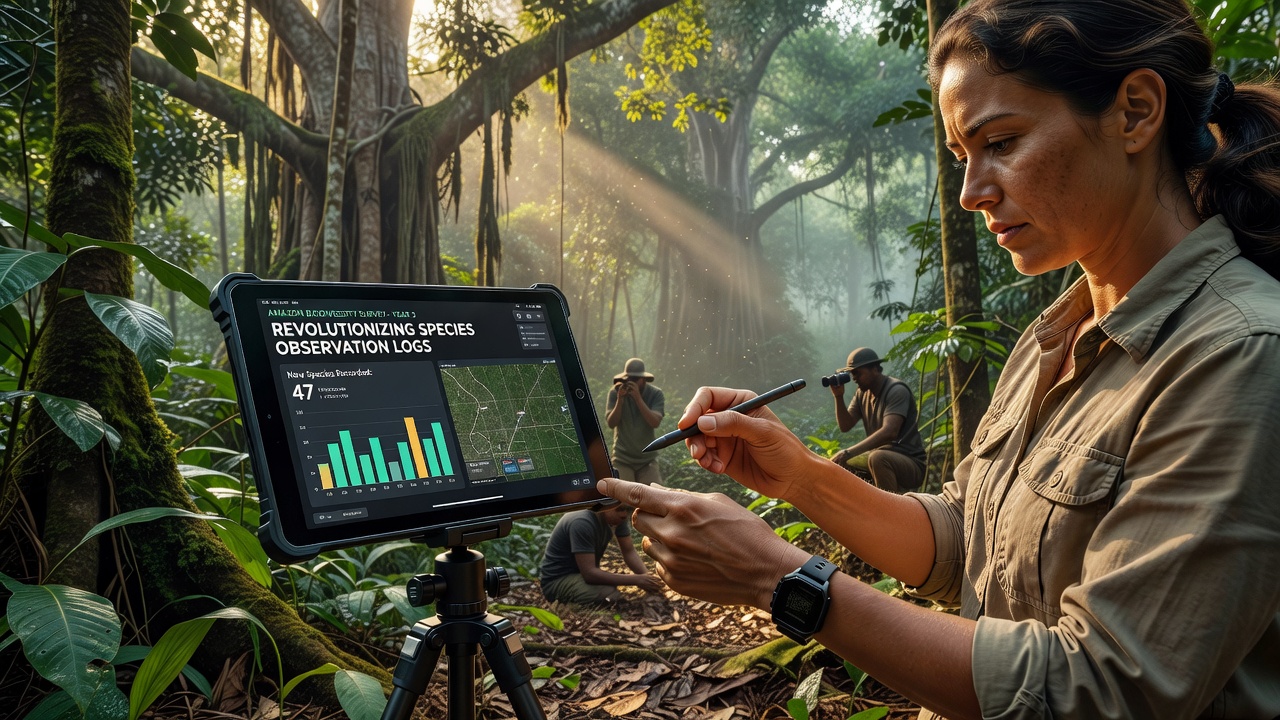
Multi-year surveys in the Amazon require biologists to track thousands of species across vast, remote areas where conditions shift with each season, and traditional paper-based logs often fail to maintain consistency over time. Researchers now integrate mobile applications with GPS tagging and cloud storage to capture detailed entries that include timestamps, coordinates, environmental variables, and photographic evidence all in one place. These systems allow teams to upload observations in real time even when connectivity drops, then sync data automatically once signals return.
Challenges in Long-Term Data Collection
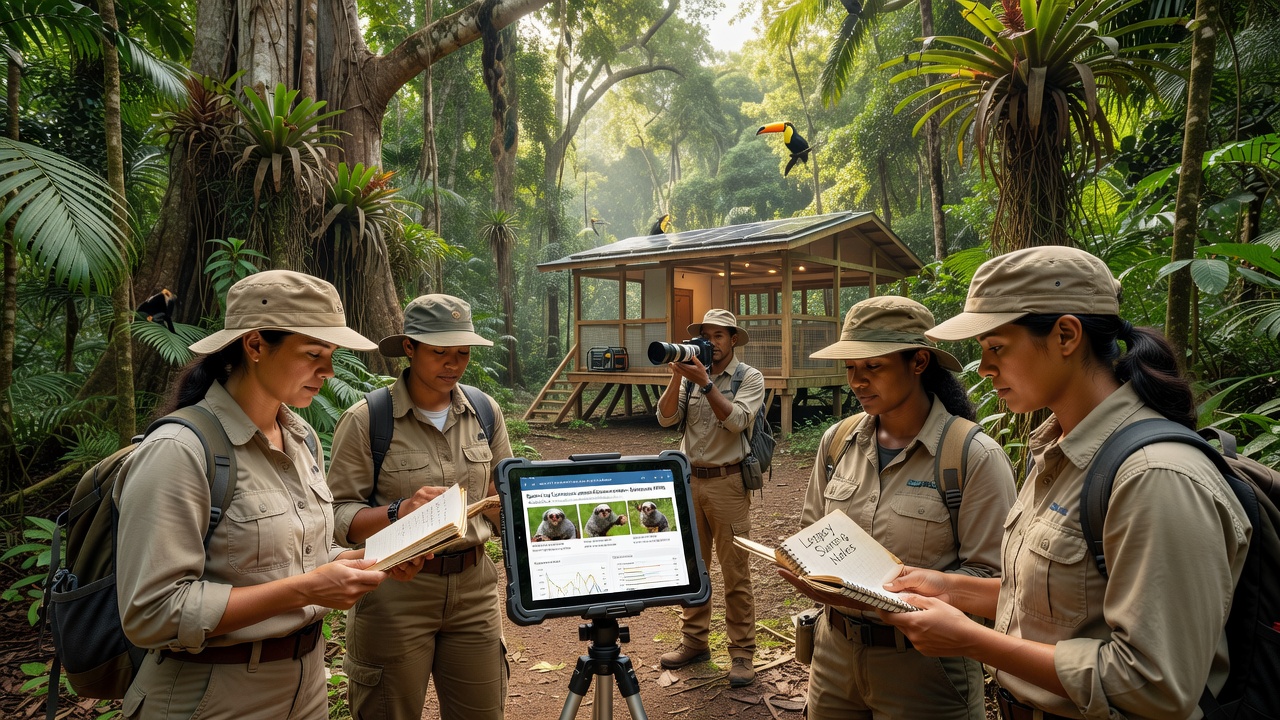
Biologists face repeated obstacles when maintaining records across five, ten, or twenty years because humidity damages paper, handwriting varies between team members, and species names change with new taxonomic revisions. Data from earlier decades frequently sits in incompatible formats that resist direct comparison with current findings, which forces researchers to spend weeks manually cross-referencing entries before any analysis can begin. Studies indicate that field teams lose up to 30 percent of potential observations to transcription errors or lost notebooks during extended expeditions.
Adoption of Integrated Digital Tools
Teams now equip every researcher with rugged tablets that run specialized software capable of auto-correcting species names against regional databases while also recording temperature, humidity, and canopy cover from attached sensors. Voice-to-text functions let biologists dictate notes while their hands remain free for handling specimens, and the same applications generate standardized export files that feed directly into statistical packages used by collaborating laboratories. In October 2026 several Amazon research stations plan to test new firmware that adds satellite uplink capabilities so entries reach central servers even from areas without cellular coverage.
Standardization Across Research Groups
International projects require uniform data fields so that observations collected by Brazilian teams align with those gathered by European or North American partners. Protocols now specify exact units for measurements, mandatory photo angles for plant and animal specimens, and required metadata such as observer experience level and equipment calibration dates. According to reports from the National Institute of Amazonian Research, adoption of these shared templates has reduced duplicate entries by 45 percent in joint studies that span multiple field seasons.
One group of ecologists working along the Rio Negro noticed that their records from 2018 through 2023 became far easier to query after they switched to a shared platform that automatically flagged entries missing required fields. The same system highlights potential misidentifications by comparing new sightings against historical ranges for each species, which prompts field verification before teams leave the site.
Role of Remote Sensing and AI Assistance
Satellite imagery and drone footage now supplement ground observations by providing broader context for habitat changes that affect species distributions over time. Machine learning models trained on verified Amazon datasets can suggest likely species matches from images captured in the field, though biologists still perform final confirmation to maintain accuracy. Data from the U.S. National Science Foundation shows that projects combining remote sensing layers with on-site logs achieve 25 percent higher detection rates for rare or cryptic species compared with traditional methods alone.
Longitudinal studies benefit because each new observation automatically links to previous records for the same coordinates, revealing trends such as earlier flowering dates or shifts in animal migration patterns. These connections appear in interactive dashboards that update nightly, allowing principal investigators to spot anomalies quickly and adjust sampling strategies for the next field rotation.
Training and Capacity Building
Workshops held at regional stations teach local technicians and visiting scientists how to use the new logging systems without disrupting established fieldwork routines. Sessions cover everything from basic device maintenance in tropical conditions to advanced queries that extract multi-decade datasets for climate modeling. Participants practice entering sample observations under simulated rain and low-light conditions so they gain confidence before real expeditions begin.
Conclusion
Advances in observation logging have transformed how biologists compile records during extended Amazon surveys by replacing fragmented notebooks with synchronized, query-ready datasets. Continued refinement of these tools, combined with consistent training and international standardization, supports more reliable tracking of biodiversity changes across decades. As field teams prepare for upcoming seasons, the focus remains on ensuring every observation contributes to a growing, accessible body of knowledge about one of the planet's most complex ecosystems.